

By: Craig Lord, The Canadian Press
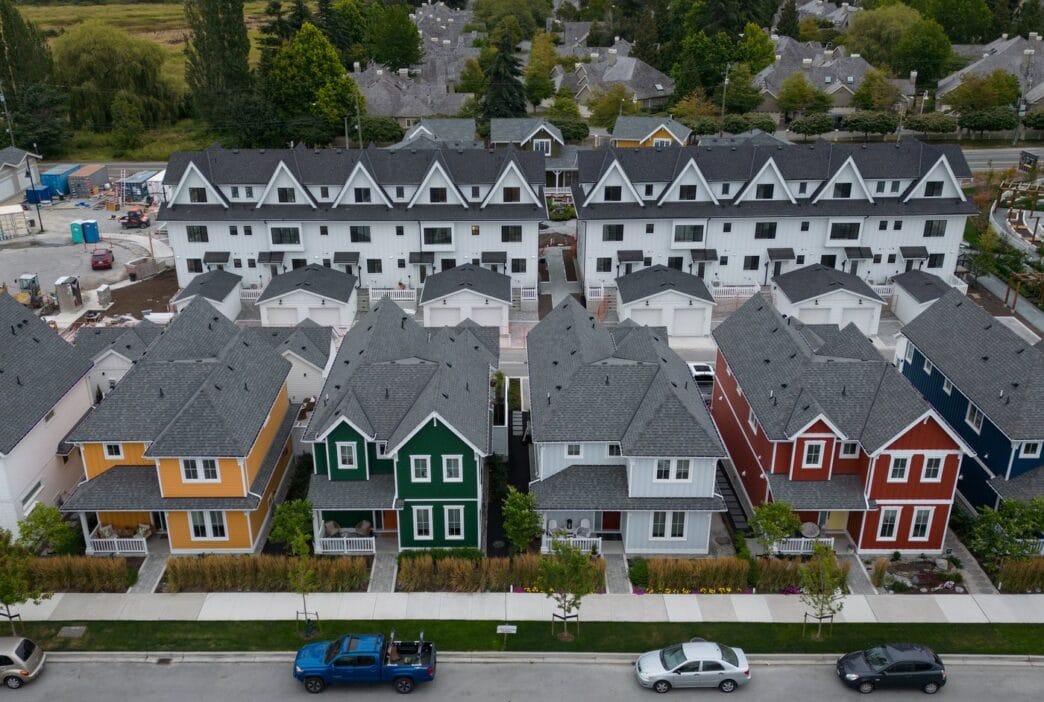
OTTAWA — As Parliamentarians spar over how to make housing more affordable, Ottawa’s fiscal watchdog is reporting significant progress in closing that affordability gap nationally — but the picture looks very different across the country.
The parliamentary budget officer tracks housing affordability based on the gap between average home prices and what the typical household can afford.
Home prices peaked in 2022 during the pandemic recovery era but subsequently cooled in many markets after the Bank of Canada rapidly increased interest rates.
The central bank recently cut its policy rate and the PBO now says cheaper borrowing costs and stronger wages narrowed the affordability gap from 80 per cent in September 2023 to 34 per cent in August.
The biggest improvements were seen in Toronto and Hamilton, while Calgary, Montreal and Québec City saw affordability deteriorate.
Interim Parliamentary Budget Officer Jason Jacques warns the cost of carrying a mortgage in still-expensive cities such as Toronto, Vancouver and Victoria makes households in those markets more financially vulnerable than those elsewhere in Canada.
This report by The Canadian Press was first published Oct. 2, 2025.