

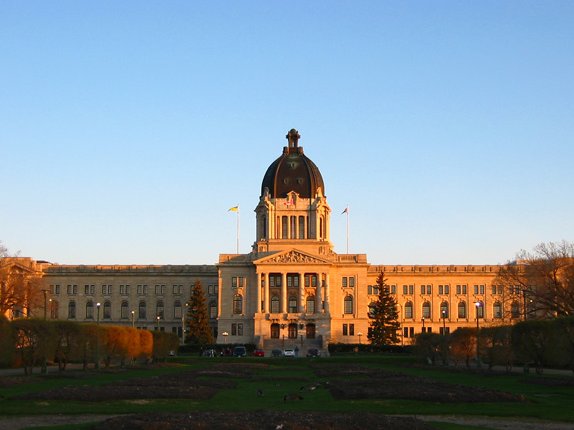
The Government of Saskatchewan is tightening restrictions on who can legally change their name with new rules aimed at keeping violent and high-risk offenders from obscuring their identities.
Read more: Lakeland Rustlers hit the ice to fight cancer
Announced on Dec. 4, the updated Change of Name Amendment Regulations, 2025 add murder, major drug offences, fraud and dangerous-offender designations to the list of convictions that can result in an automatic refusal of a legal name change. The move delivers on a promise made in this fall’s Throne Speech.
Under the new regulations, all applicants must now submit a certified criminal record check that includes fingerprinting before their request will be considered. The province says the enhanced screening is designed to ensure the public and law enforcement are not left in the dark about the identities of individuals convicted of serious crimes.
“These amendments will strengthen protection for victims and the public,” said health minister Jeremy Cockrill. “Ensuring that anyone convicted of these crimes cannot escape the consequences of their past actions will make our province safer and more secure.
“After consultations with local police services in the province, there is a clear consensus that those individuals convicted of serious offences cannot hide behind a new name.”
The expanded list of offences now includes:
- Dangerous offenders (Criminal Code, s. 753)
- Long-term offenders (Criminal Code, s. 753.1)
- High-risk offenders subject to public notification
- Fraud (Criminal Code, Part X)
- Designated Schedule I substance offences (Controlled Drugs and Substances Act, ss. 5, 6, 7, 7.1)
- Murder (Criminal Code, s. 231)
Corrections, policing and public safety minister Tim McLeod, K.C., said the change reinforces accountability.
“The expansion of additional Criminal Code offences ensures that individuals convicted of serious crimes remain accountable and visible to law enforcement and the public,” he said. “These changes reinforce transparency and uphold the integrity of our justice system.”
About 1,000 Saskatchewan residents apply for a legal name change each year. The province says the new safeguards are essential to ensuring those processes cannot be exploited by dangerous offenders seeking to obscure their past.
Read more: New mental health sessions reduce student stress