

Regional emergency collaboration continues as the Regional Emergency Management Collective (REMC) looks to continue its work into 2026.
Read more: New Empower2Recover conference coming to Lloydminster
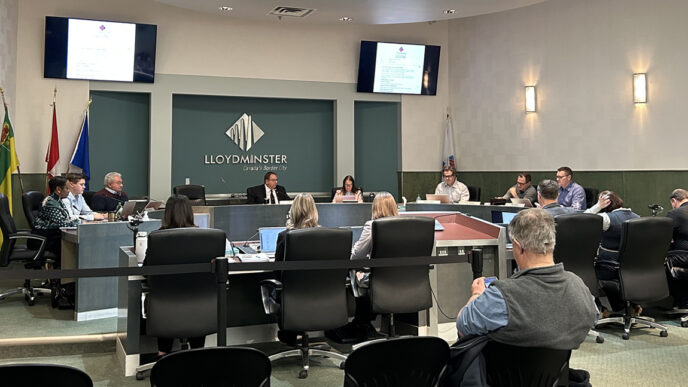
Andrew DeGruchy, director of public safety, and Madison Black, emergency management co-ordinator for the City of Lloydminster, presented to Town of Vermilion council at the Feb. 3 committee of the whole meeting.
REMC is comprised of 10 partner municipalities in both Alberta and Saskatchewan.
“The Town of Vermilion, the City of Lloydminster and eight other Alberta and Saskatchewan communities perform emergency management in a joint venture through our regional emergency management collective,” said DeGruchy, who also serves as the regional director of emergency management.
He says since the two municipalities could face regional challenges, tackling it in a regional fashion makes the most sense.
“This was with some insight from council. We want to take greater steps towards emergency management on an ongoing basis, but we all face similar resource constraints in doing so,” DeGruchy said. “We felt that since we likely would be facing hazard onsets in a regional fashion, we should be planning for them in a regional fashion.”
REMC was established in spring of 2024 with partners ranging from the Town of Vermilion to the RM of Eldon. Administration for the collective is completed by the City of Lloydminster’s emergency management department.
Across the border from Sask to Alberta, each province is governed by different provincial legislation. In Alberta, they’re governed by the emergency management act, while in Sask, they are governed by the emergency planning act and cost recovery framework.
For REMC, they’ve completed a number of objectives in 2025.
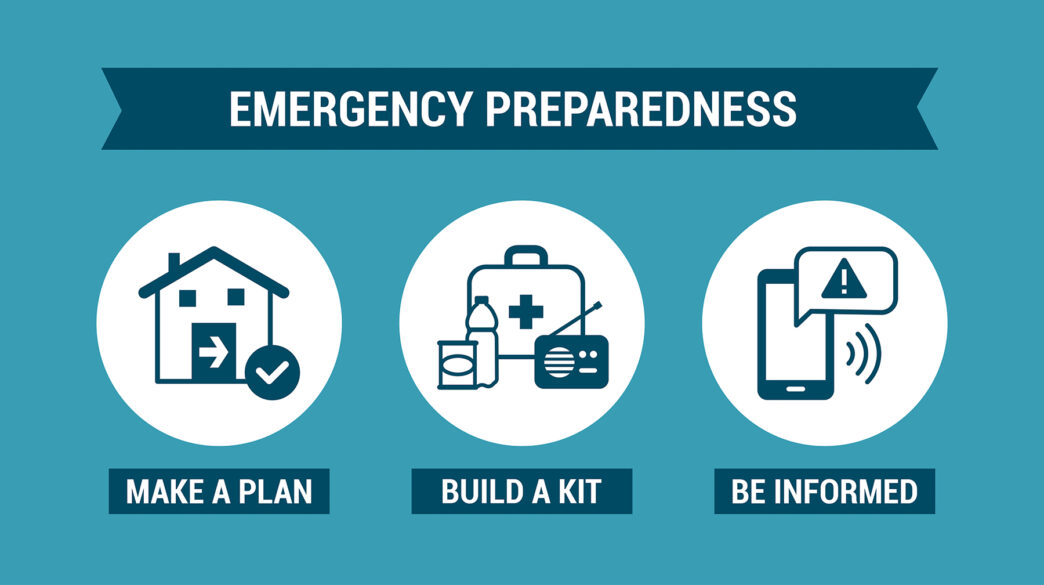
They’ve increased municipal readiness and response capacity through training, exercises and agreements. A household-level preparedness campaign was also created for public engagement, while REMC attended meetings throughout the year.
“We were able to accomplish this objective,” said Black. “We hosted quarterly meetings through the collective, and at one of our meetings, we did a tabletop exercise.”
They are working to ensure municipalities are compliant with applicable legislation.
“This is an ongoing objective that we’re setting out to achieve. It’s kind of in progress right now due to the new emergency regional management plan that’s being developed for our Alberta partners,” she said. “Due to the new emergency regional management plan, our bylaws are going to have to change for our Alberta partners.”
Meetings were also held in Lloyd with the hospital to go over emergency planning.
“At the beginning of the year, the Town of Vermilion did their annual audit with Alberta Emergency Management agency, so Andrew attended that,” said Black. “We did some emergency planning sessions with the Lloydminster Hospital to discuss capacity and what would happen if there was a mass casualty event at the Lloyd hospital and how they would respond.”
While there were several emergency events last year, none of them required the activation of the team.
“In 2025, there were quite a few community events that occurred throughout our regional collective. However, we were lucky that we didn’t have to formally activate our incident management team for that,” she said.
The first one they were involved in happened at Lakeland College.
“For the first one, we supported monitoring of a community demonstration, which is a protest, at Lakeland College,” she said.
May proved to be a busy month as they hosted school presentations for Emergency Preparedness Week. It was also the same month as the Rush Lake well release.
“In May, Andrew and another member of our staff got deployed to Boyle/Athabasca County for wildfire evacuation support,” Black explained. “So, Andrew, myself and another member of our staff are a part of an all-hazard management team called Assist for Northeastern Alberta. We can go support other municipalities if they’re going through an emergency type of situation.
“Between May and August, we had around 1,100 evacuees that were coming in and out of Lloydminster.”
In October, there was a carbon monoxide release from a local industrial site, which impacted first responders and the general public.
There was also a bitumen spill in the North Saskatchewan River in November.
“For this, we were lucky there was no impacts to our city water,” she said, noting it happened upstream from the regional water intake centre.
Looking forward to 2026, REMC set out a number of goals, including enhancing the region’s operational readiness through updated planning and capacity building, creating a regional culture of emergency preparedness through education and collaboration and maintaining ongoing efforts to achieve provincial-level compliance.
Coun. Kellen Snelgrove said he’s happy with the program, having learned about it since getting elected to council.
“I think it’s a very good program and a very good example of regional co-operation,” he said.
Black and DeGruchy were also seeking feedback from council regarding the collective.
“As council, we can probably come up with some great ideas of who you guys can reach out to and spread the message,” explained Mayor Robert Snow.
Through the regional collaboration, messaging has been available to the various municipalities to share out in the event of an emergency.
“We have a website as a part of our regional emergency management collective. On this SharePoint website, we have a lot of different media and graphics that can be shared for different types of emergencies,” Black said, noting this came in handy during a recent winter storm.
“The alert came out for the winter storm, so I prepared an email to all our partners within the collective, just provided the graphic and some messaging they could easily share out on their social media.”
Read more: Seniors serve Lakeland Rustlers well