

The Libbie Young Centre is on the search for board members and funding as they continue to face shortages in both.
Read more: Volunteer committee members to be recognized by city
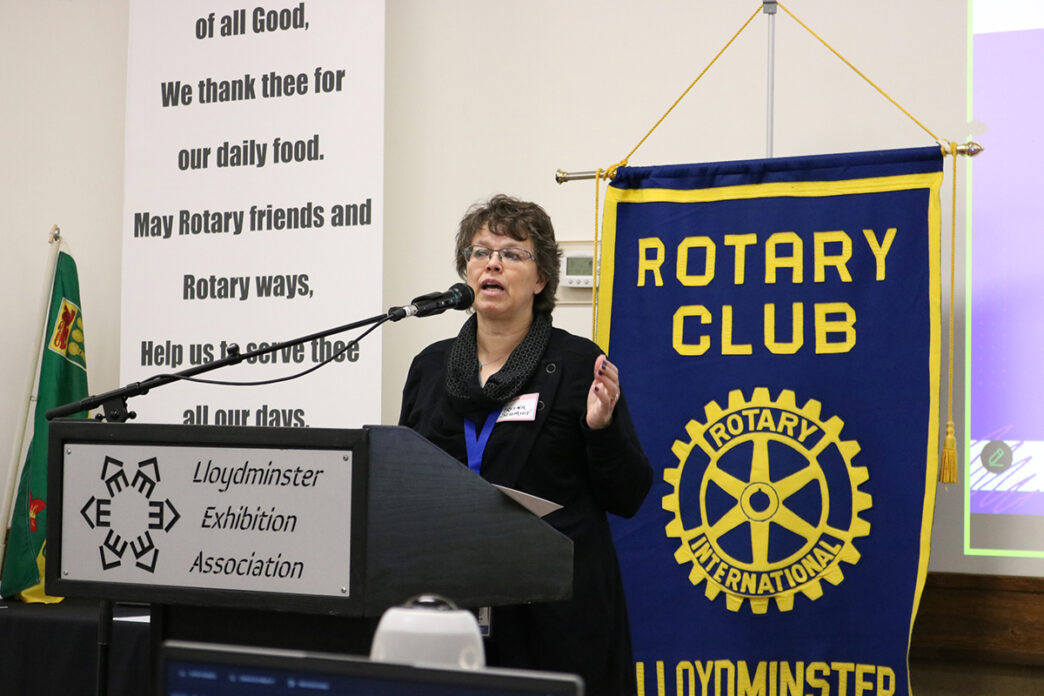
Treena Schmidt, Libbie Young Centre’s executive director, was at the Rotary Club of Lloydminster’s Monday lunch meeting, renewing her call for more board members.
“I believe it’s a maximum of eight directors. Right now, we can take up to six,” she said. “We really want to bolster that and strengthen our organization.”
While discussing the need for board members, funding was a prevalent talking point as the centre has been running at a deficit for a number of years.
“We’ve been running into deficits since I’ve been here,” said Schmidt. “I’m not going to predict how long we can continue that, but I’m going to tell you we can’t continue that in any long-term capacity.”
Part of their funding comes from the Saskatchewan Health Authority (SHA).
“We have some core funding from Saskatchewan Health Authority,” she said.
They also do fundraisers to help their funding situation.
“We do an annual fundraiser, we accept donations, we look for all types of grants,” Schmidt explained.
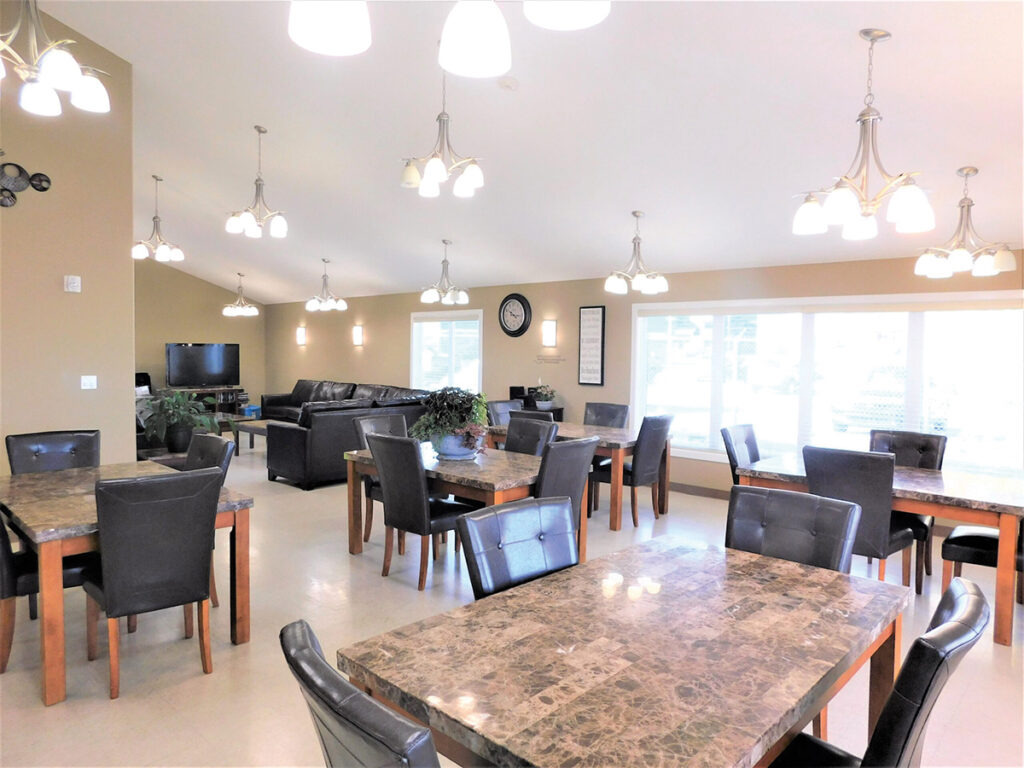
The centre has two programs which house clients, the life skills program and the supported independent living program. Those attending these programs pay rent, sign a lease and pay a damage deposit as a way of learning these real life skills.
“We teach people about paying rent and damage deposits,” she said, noting rent is $875 for the units. “If individuals come in on Alberta Works, we can subsidize that down to 785 until they’re on AISH (Assured Income for the Severely Handicapped).”
Schmidt explained they are searching for more funding after recently being turned down for family and community support services (FCSS).
“I’m starting to approach Alberta Health Services because we don’t get funding from them,” she said.
The Libbie Young Centre has been around since 1983 and aims to teach valuable life lessons to adults with a primary diagnosis of psychiatric mental illness.
“Our mission is mental health for all,” she said. “We serve adults who live with mental illness. Our focus is to support those individuals to transition through our programs and live independently again the in community.”
They work with SHA, the community recovery team and other organizations in the community.
“We are person-centred, (with an) individual approach,” said Schmidt.
Their goal is to develop essential life skills, with the objective to live independently in the community post program involvement.
“The goal is to help them develop the skills they need to be able to transition into community and live independently and be successful doing so,” she said.
Some of the life skills taught at the centre include household management, finances and budgeting, food safety and nutrition, hygiene, daily routine, medication management and interpersonal skills, among others.
Clients are able to apply with the support of a medical professional to the life skills program. They spend six to 18 months in that program and eventually transition to the supported independent living program.
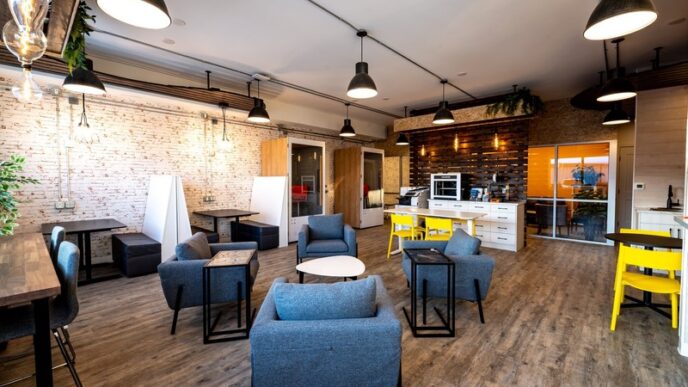
In the life skills program, there are six bachelor suites with 24-hour support, a shared kitchen and a common area.
“They are responsible for their breakfast, lunch and snacks, but we provide the supper meal,” said Schmidt. “One client cooks, the other clients help to clean up and clean the area, again, to foster those skills.”
They also receive medication assistance, one-on-one support, coaching and mentoring. Clients then move to the supported living program where there are 14 one-bedroom apartments, 24-hour access to support if it’s needed and employment or volunteer opportunities in the community.
Schmidt explained that not all clients end up working.
“First of all, we would need to know from their psychiatrist, are they able to work,” she said, explaining some of their clients don’t have the capacity to work. “But they may volunteer, they may engage in community in other ways. If clients are interested in work, we can support them in different ways.”
The centre doesn’t have any tolerance for the use of drugs or alcohol and requires 90 days of sobriety to apply for their life skills program.
If someone did relapse in their addictions, Schmidt explained they would have to evict them. Thanks to a new partnership, that is no longer the only option.
“We signed a collaborative partnership agreement with Thorpe Recovery Centre this past year,” she said. “We do accept clients from Thorpe.”
They also offer a day program at the Libbie Young Centre.
“We have a wonderful day program team. Cheryl Campbell, she runs three to four programs a day,” Schmidt said, noting programs are an hour in length on average. “Programs focus on recreation, leisure and education.”
It provides opportunities for clients to learn and socialize with their peers in a safe and inclusive environment.
When the summer months roll around, they offer a summer recreation program. This program teaches participants the benefits of recreation and culture, increasing their involvement in the community.
Schmidt says they do have room to take on more clients.
“Right now, we’re only about 25 per cent capacity,” she said. “We are looking at applications on a regular basis.”
She explained that while they may not have a direct partnership with other non-profits, they do accept applications from places like the Lloydminster Men’s Shelter, the Interval Home, Saskatchewan health and mental health nurses from across the two provinces. On top of clients having to be sober when coming in, they also have to want to participate in the program.
“Unfortunately, in the last year or two, we have had a number of clients come in, but many of them have either left because they’ve relapsed or they come and they say no, this isn’t what I wanted,” said Schmidt.
For donations, applications to enroll in programs at the facility or to become a board member, all those links are available at Libbie.ca or by phone at 780-874-9917.
Read more: Winterfest bounces to success