

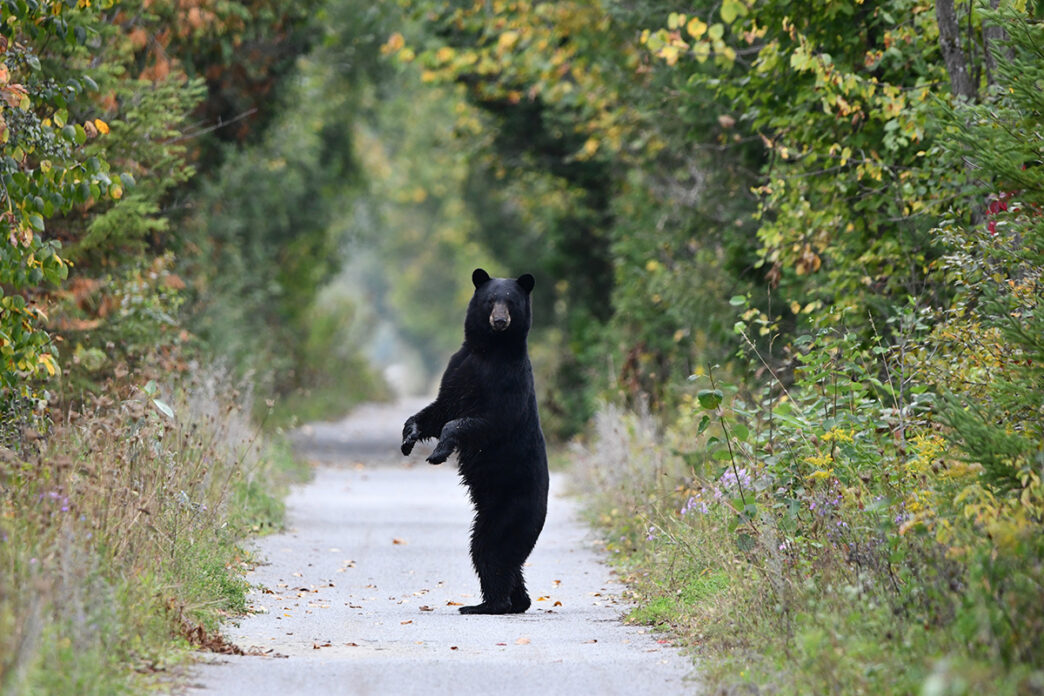
As temperatures rise and spring arrives across Saskatchewan, provincial officials are reminding residents and visitors to be “Bear Aware” as black bears begin emerging from their dens.
Read more: Alberta invests $2M in youth suicide prevention grants
The Government of Saskatchewan issued a statement Friday noting that while black bears are most common in northern forested regions, they are also active in the aspen parkland, Qu’Appelle Valley, and the South Saskatchewan River Valley.
During the spring, bears are driven by the need to replenish body fat lost during winter hibernation. This search for food often leads them toward easy sources found near human settlements, such as garbage, bird feeders, and pet food.
“Black bears are intelligent and ruled by their stomachs,” the government release stated. “Limiting attractants is the most effective way to reduce these interactions.”
To help prevent conflicts and keep wildlife from becoming habituated to human environments, officials recommend the following precautions:
- Secure garbage: Use bear-resistant containers and only put waste out on collection days.
- Remove bird feeders: Take down feeders during the spring and summer months and store pet food indoors.
- Clean barbecues: Scrub grills thoroughly after each use and store them in a secure area.
- Practice safe camping: Keep food out of tents and store it in sealed containers inside vehicles.
Under provincial law, it is illegal to feed bears or other large predators, including wolves, cougars, and coyotes.
For immediate threats to public safety, residents should call 911. Aggressive encounters can be reported to the Turn in Poachers and Polluters (TIPP) line at 1-800-667-7561, while nuisance concerns should be directed to the Ministry of Environment.
Read more: Why Lloydminster gathers for Red Dress Day: Honouring the MMIWG