


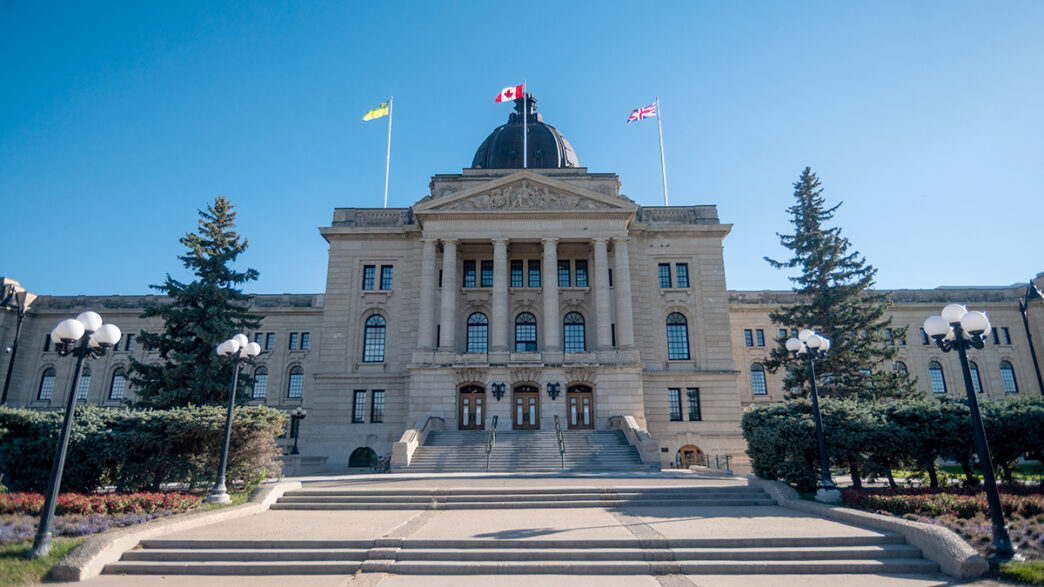
The Government of Saskatchewan is expanding an Indigenous-led healing program in provincial adult correctional facilities, a move officials say is meant to reduce reoffending and strengthen cultural identity among inmates.
Read more: Saskatchewan RCMP SERT September crackdown yields 46 arrests and 44 warrants
The province announced the expansion of the Ewikīwiyāhn Indigenous Teachings and Healing Program on Oct. 15. The 15-session curriculum combines traditional teachings, including the Medicine Wheel and Seven Grandfather Teachings, with practical life skills, and was built with guidance from Elders, Knowledge Keepers and Indigenous community members.
Saskatchewan is putting nearly $50,000 toward the program’s second phase in 2026-27, which focuses on training cultural coordinators to deliver Ewikīwiyāhn consistently across the province’s correctional system.
“Programs like Ewikīwiyāhn play an important role in rehabilitation and successful reintegration,” community safety minister Michael Weger said in the announcement.
“By connecting participants with their culture, identity and community, we are helping them gain the skills and support they need to make positive changes and build a better future. Programs like this contribute to a safer, secure Saskatchewan.”
The program was piloted in March 2026 at the Whitespruce Provincial Training Centre, with virtual participation from the Prince Albert Correctional Centre. Neither facility is in the Battlefords or Lloydminster corridor, and the province’s announcement does not specify whether or when the expansion will extend to facilities closer to the Border City. Meridian Source has reached out to the Ministry of Corrections, Policing and Public Safety for clarification on which sites will see Phase Two delivery.
For communities like Onion Lake Cree Nation, whose members move through Saskatchewan’s justice and correctional systems, the question of reach matters. Onion Lake has in recent years pushed its own wellness initiatives, including the opening of detox beds on the nation and a memorandum of understanding signed with the province aimed at improving outcomes for its members. Meridian Source has also reached out to Onion Lake Cree Nation leadership for comment on how a province-wide expansion of Ewikīwiyāhn might affect members currently in custody.
Indigenous Program Developer and Facilitator Vanessa Wolfe, who helped create the curriculum, said the program is designed to be flexible enough to reach people wherever they are.
“It has been an honour to bring practical life skills together with traditional knowledge in creating Ewikīwiyāhn, a first-of-its-kind Indigenous life skills program firmly grounded in Indigenous ways of knowing, Indigenous ways of doing and trusting in the process. Designed to be accessible and adaptable, Ewikīwiyāhn can be delivered in person, virtually or through a blended learning model. It creates a sacred space for healing, learning, connection, understanding and awareness, while providing participants with meaningful tools to move forward in their lives,” Wolfe said.
“At its heart is a foundation of identity, culture, connection and reclamation,” she added. “Ewikīwiyāhn carries forward the vision and knowledge of our Elders and those who came before us, creating space for people to reconnect with who they are, where they come from and the strength and resilience they carry within themselves.”
According to the province, Saskatchewan’s correctional facilities already offer a range of Indigenous cultural programming, including Elder counselling, sharing circles, smudging ceremonies, sweat lodges and community connection initiatives. Officials describe the Phase Two investment as a step toward a consistent, sustainable model for delivering the program province-wide.
Readers wanting to follow how the expansion affects facilities and communities in this region can watch for updates from the Ministry of Corrections, Policing and Public Safety, and from Onion Lake Cree Nation itself, as more details on Phase Two rollout become available.
Read more: SIRT probes serious injury in Battlefords RCMP arrest