

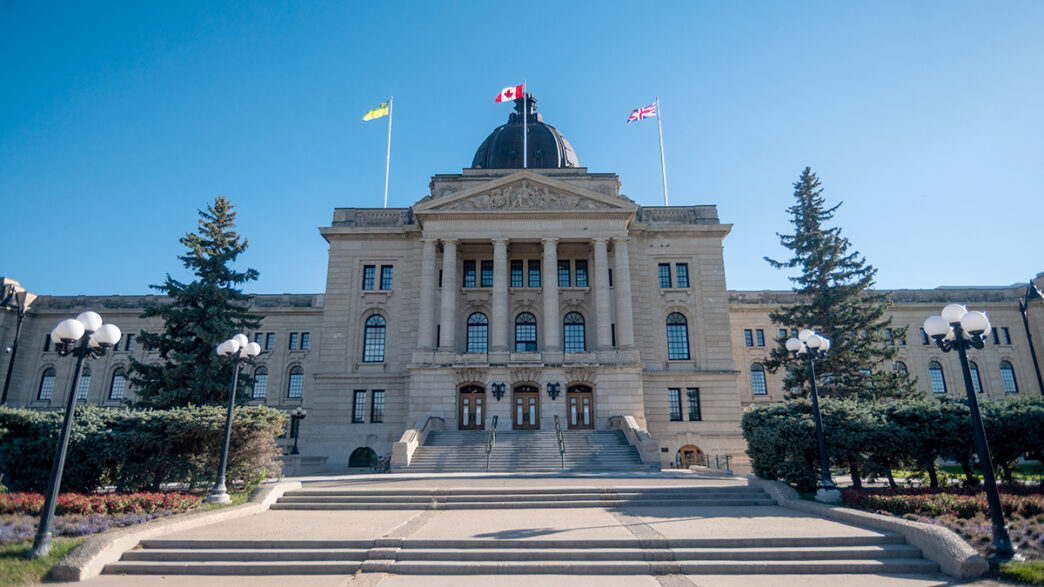
The Saskatchewan government has introduced legislation that would give the province authority over where supervised consumption sites can operate, a move with implications for addictions and harm-reduction services across the province, including the Lloydminster region.
Read more: City seeks feedback on Southeast Area Structure Plan
Mental Health and Addictions Minister Lori Carr introduced The Community Support and Recovery Act on Nov. 16. The bill would bar supervised consumption sites from operating within 400 metres of schools and daycares, and would require any organization seeking a federal exemption to run a site to first get approval from the provincial minister.
“We do not fund or support supervised consumption site operations, which require a federal exemption to operate legally,” Carr said. “However, the province needs to have a say in where these sites are located to protect the rights of families, children, businesses, and communities to feel safe where they live, learn, and work.”
Supervised consumption sites currently fall under federal jurisdiction through Health Canada exemptions, a process that does not require provincial sign-off or set minimum distances from schools and childcare centres. The province says the new legislation closes that gap, as outlined in the government’s release.
Riversdale Business Improvement District Chair Dr. Effie Kutsogiannis, whose Regina-area district has been a flashpoint in the debate over consumption site locations, welcomed the change.
“This legislation will ensure the residents and businesses are better served with protections for the safer options than what we have experienced already,” Kutsogiannis said. “We welcome the changes to improve the District for customers, patients and clients wanting to continue coming here safely.”
What it means for the Lloydminster region
There is no supervised consumption site currently operating in Lloydminster, but the bill lands in the middle of an ongoing local conversation about addictions support. Lloydminster seniors and residents have previously pushed council to act on sober-living concerns in residential neighbourhoods, and the region has watched both provinces expand services in recent years, from a provincial phone line for mental health and addiction support on the Alberta side to funding announcements for youth recovery programs in Saskatchewan.
The province says the Act is expected to pass the Legislative Assembly this spring, which would give municipalities and health authorities clearer rules before any future site proposal moves forward. Advocates on both sides of the harm-reduction debate have previously told Meridian Source that a lack of harm reduction can have lasting effects on communities without services, a tension this legislation does not resolve so much as formalize who gets to decide where those services can locate.
Local recovery advocates, including those who hosted an NDP shadow minister’s visit to Residents in Recovery last year, have said the Lloydminster region needs clarity from both provincial governments on how addictions services are regulated and funded.
The bill does not change federal jurisdiction over exemptions themselves. It adds a provincial approval step and the 400-metre buffer as new conditions any applicant would have to clear before a site could open anywhere in Saskatchewan, including the Saskatchewan side of the Border City.
Read more: Kiwanis Club to light up park Nov. 22