

A two-day journey at the Gold Horse Casino challenged participants to confront difficult truths about Canada’s history and the role treaties continue to play today.
Read more: Ukrainian Cultural Heritage Village to reopen this May following fire
“Treaty Learning Journey 1: Let’s Talk Truth,” held April 20 and 21, brought together community members to hear a more direct and evidence-based account of treaty history, residential schools and Indigenous experiences.
Elaine N. Sutherland, director of treaty education with the Office of the Treaty Commissioner in Saskatoon, led the sessions. She said the program was intentionally designed to move beyond what she described as softened or incomplete versions of history.
“If we’re going to do this, let’s talk truth,” Sutherland said, recalling advice from a former colleague during the program’s development. “It’s about time that we start getting the truth out there and telling our story.”
Sutherland said the sessions aim to present treaties as “living, breathing documents” — foundational agreements that made settlement in Canada possible.
She emphasized treaties were intended as land-sharing agreements, not land surrenders, and remain relevant today.
“Without treaties, newcomers don’t have a right to be here,” she said. “They were meant to be mutually beneficial, based on respect and reciprocity.”
The Lloydminster event marked the first time the program has been delivered in the Border City, though Sutherland said similar presentations have been held more than 50 times across Saskatchewan since 2022.
She acknowledged the material can be difficult, both for audiences and for herself as a presenter. Early in the program’s rollout, she faced strong resistance.
“I’m an educator, and I had never experienced that level of pushback,” she said, adding that guidance from elders encouraged her to continue. “They told me to keep going.”
Attendee Louise Weber described the event as “an incredible opportunity” to hear perspectives often missing from mainstream education.
“We hear different versions of history, but this had evidence — receipts showing what actually happened,” Weber said. “It’s heartbreaking, but important.”
Weber said the experience changed how she views treaties and highlighted gaps in what is typically taught.
“Without hearing both sides, you don’t get the full picture,” she said. “This kind of education is needed more in schools and communities.”
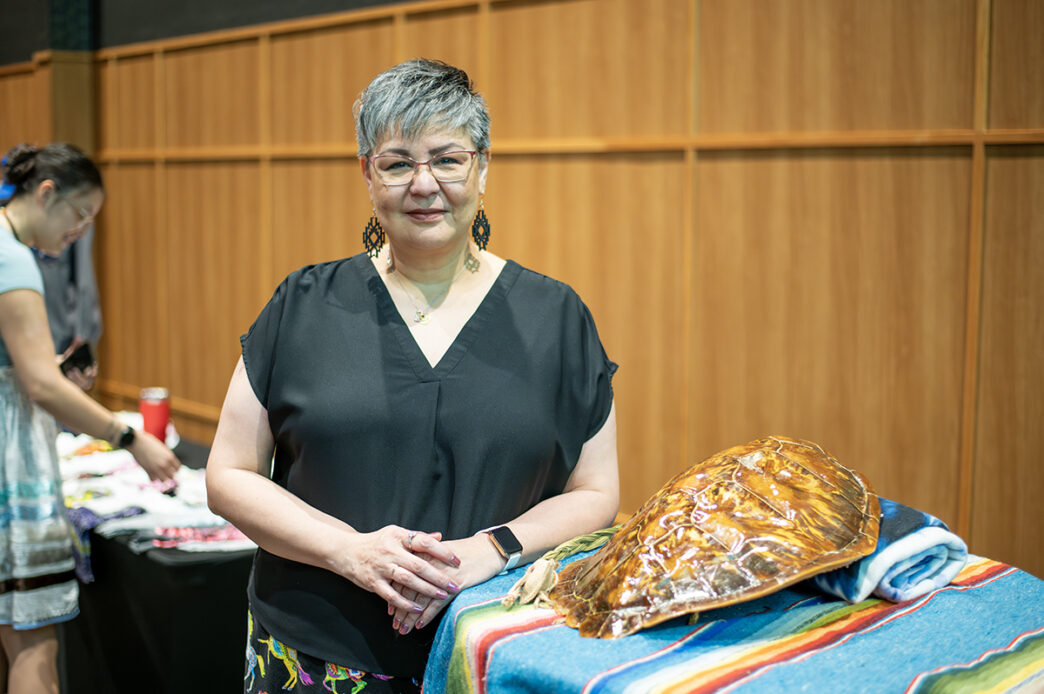
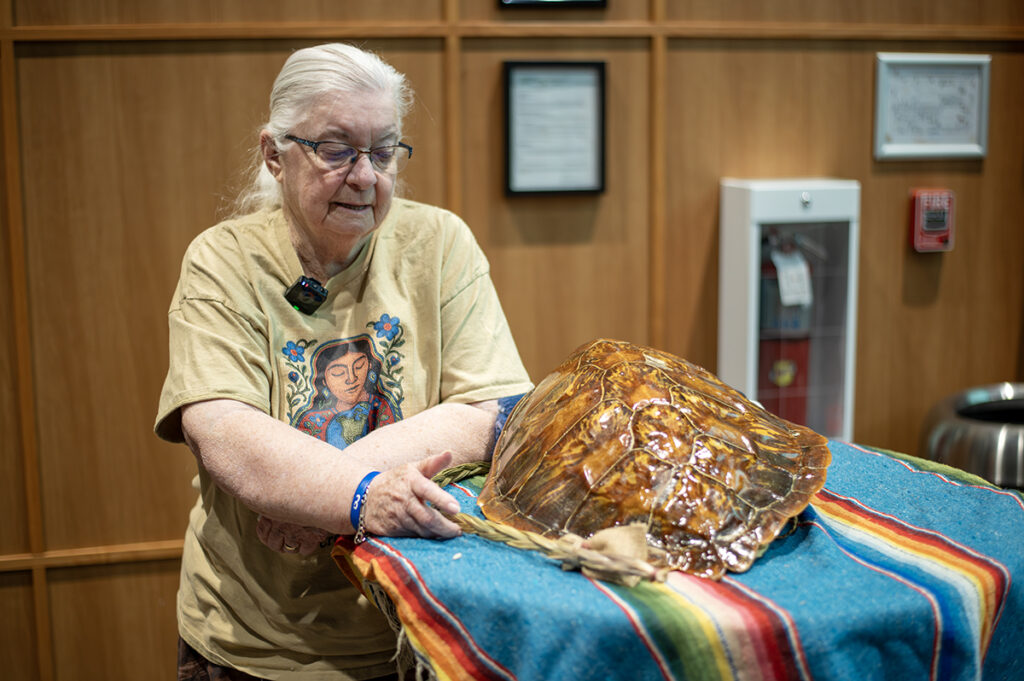
The event also featured cultural teachings, including a turtle shell display presented by Linda Boudreau-Semaganis. She described the turtle as a symbol of protection and a representation of Indigenous knowledge, often referred to as a “first history book.”
Organizers say the goal of the Treaty Learning Journey is not to assign blame, but to foster understanding through open, fact-based dialogue — a step they see as essential to meaningful reconciliation.
Read more: Local author turns pandemic hobby into new body of work