


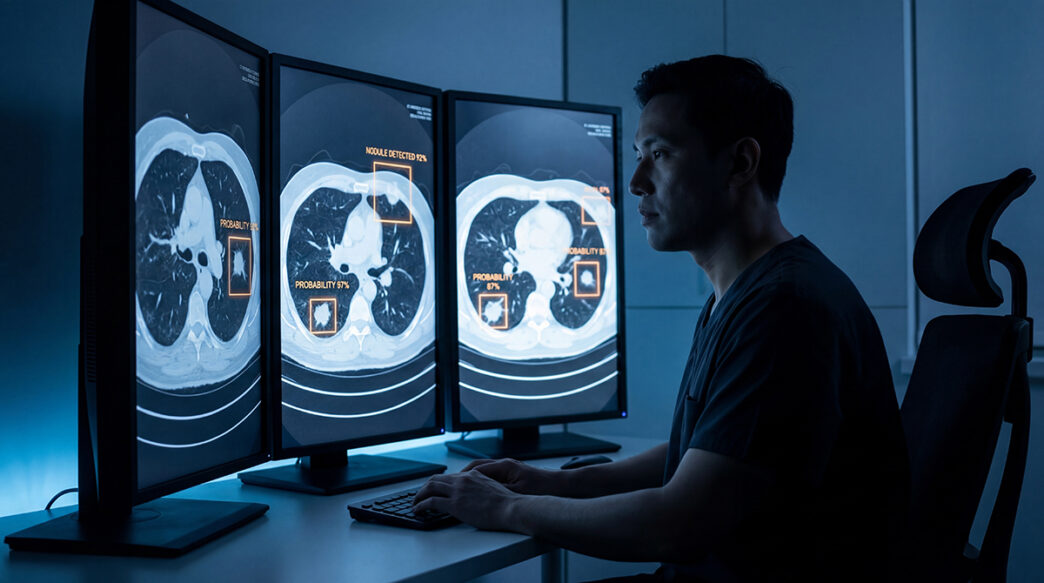
Saskatchewan is investing in a new PET/CT scanner for Royal University Hospital in Saskatoon, a piece of equipment many Lloydminster-area cancer patients already travel hours to use.
Read more: Sask. energy course now open to Lloydminster students
The province announced the $13.3-million project on Nov. 20, according to a Government of Saskatchewan news release. The investment includes a $10.8-million contribution from the province and $2.5 million from the RUH Foundation, with the single largest philanthropic gift — $2 million — coming from the Grant McGrath Family Foundation.
“This investment in state-of-the-art diagnostic imaging technology represents a significant advancement for health care in Saskatchewan,” Health Minister Jeremy Cockrill said. “By expanding access to advanced imaging services closer to home, we are improving patient outcomes, supporting timely diagnoses and treatment, and strengthening our ability to attract and retain specialized health care professionals.”
Saskatchewan is the first prairie province to purchase this generation of PET/CT technology, which the province says is one of only three units of its kind in Canada. The scanner produces sharper images, uses lower radiation doses and requires shorter scan times, which officials say makes the process easier on patients, including children.
What it means for Border City patients
For patients in Lloydminster and across the region, a PET/CT scan almost always means a trip to Saskatoon, since the specialized imaging isn’t available locally. That distance can add stress to an already difficult diagnosis, something families have felt firsthand through efforts like the community fundraisers held in the Border City to support cancer patients.
The new scanner is expected to increase capacity at RUH by about 10 patients a day, or roughly 2,500 additional scans per year, according to the province. Officials say that added volume should help cut wait times for diagnostic imaging tied to cancer and other diseases.
“This advanced diagnostic tool will help increase patient volumes and reduce wait times, supporting earlier diagnosis and more effective treatment,” the province said in its release.
Saskatchewan Health Authority vice-president Kevin Hare said the upgrade carries weight beyond faster scan times.
“This investment represents a significant step forward for cancer care, research and innovation in Saskatchewan. The new PET-CT scanner is one of only a handful of its kind in Canada and will help more patients receive timely diagnostic imaging while supporting advances in research and emerging therapies.”
The current scanner, installed in 2013, has reached the end of its service life. Renovations to accommodate the new equipment are set to begin by the end of December and continue for several months. A temporary mobile PET/CT scanner will be brought in to keep services running during that stretch, with the mobile unit expected to be available by winter 2027.
RUH Foundation CEO Jennifer Molloy said the project builds on the hospital’s earlier role bringing PET/CT imaging to the province in the first place.
“Donors brought Saskatchewan’s first PET/CT to RUH, and we are deeply grateful to Grant McGrath and his family for helping to bring the next generation of imaging technology here. Their visionary $2 million gift will help thousands more patients be scanned each year, giving people across the province faster answers when it matters most.”
For families who also need somewhere to stay while loved ones undergo testing or treatment in the city, the push continues on ongoing projects such as the cancer lodge under construction in Saskatoon, which is meant to ease the burden of travel for rural and northern patients, including those from the Lloydminster area. Together, officials say the moves reflect a broader effort to make rural cancer care more accessible without requiring every patient to relocate for the duration of their treatment.
Patients with questions about referrals or scheduling for PET/CT imaging can speak with their physician or contact the Saskatchewan Health Authority directly.
Read more: Costco finally arrives in Lloydminster after years of rumours