

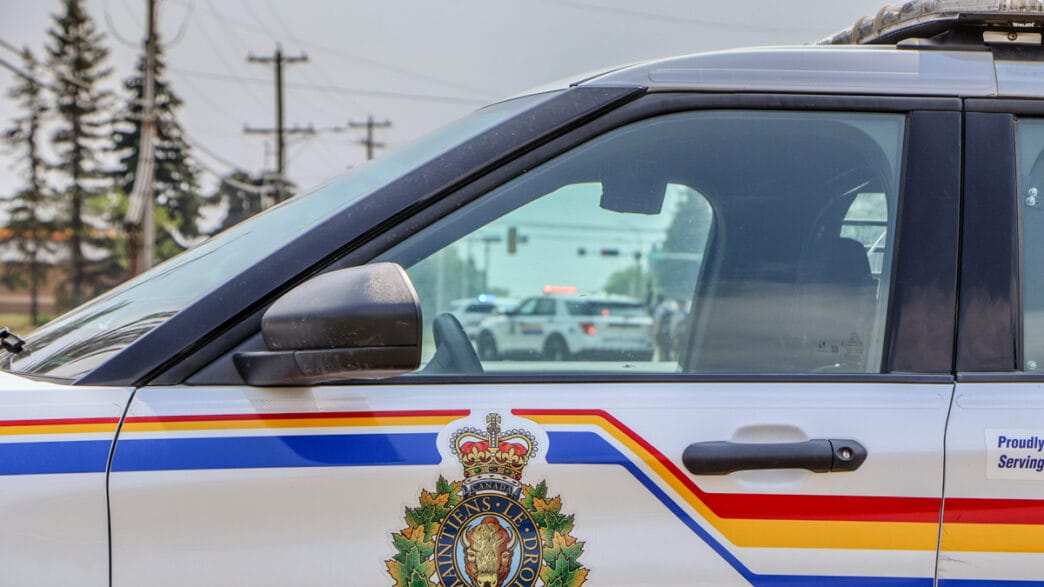
There are many provincial and federal government acts that require people to obey a peace and/or police officer’s direction.
Read more: Word on the Beat: Learn and improve
There is not enough room here to go into all the sources granting peace and police officers authority, but as a quick note, all police officers are peace officers, but not all peace officers are police officers.
Sheriffs and community peace officers are peace officers but not police officers. I will provide the authorities in general, but feel free to research which laws apply to which officers.
Common acts that provide officers authority are those related to vehicles and conveyances, such as Alberta’s Traffic Safety Act and Saskatchewan’s The Traffic Safety Act, and their regulations. For these acts, please remember that a driver’s licence is a privilege, not a right. There are many circumstances in which a driver’s licence can be seized, prohibiting the person from legally driving.
Are drivers legally required to stop or obey an officer? Yes. Traffic acts also include authority for officers to direct traffic in contravention of the act. An example would be at a collision scene, where officers may keep traffic flowing through a red light or stop sign rather than have everyone stop.
I was recently in court when a driver appeared because she had not stopped for an officer. She had been stopped earlier, but after leaving the stop committed another driving offence and did not stop for the officer, who was again behind her with lights and siren activated.
The judge found her guilty because she had the legal obligation to stop again.
For drivers, this could also involve an officer on foot directing a driver to stop or pull over. This holds the same authority as if the officer were in a vehicle with emergency equipment activated. Traffic safety legislation provides significant authority for officers to direct traffic as necessary. An officer cannot arbitrarily do whatever they want, as they may need to justify their actions to a judge in court. Reasonableness is often the threshold that needs to be met in the eyes of the court.
There are criminal driving offences defined in the Criminal Code, which include failing to stop for an officer. The Criminal Code was recently updated so that motor vehicles now fall under the definition of a conveyance. Section 320.17 specifically addresses failing to stop for a peace officer. The specific circumstances would dictate whether police proceed with a violation ticket or a criminal charge.
The best advice I can give is to stop or pull over if you even slightly suspect an officer is trying to stop you. Even if they are not trying to stop you, you are legally obligated to pull over, and the officer will simply continue on if they are not after you.
A quick online search will provide explanations of your rights when being pulled over. Yes, you do have rights, and officers are required to respect them.
Staff Sgt. Jerry Nutbown is the NCO in charge of the Lloydminster RCMP detachment’s General Investigation Section. Stay tuned for future columns from the Lloydminster RCMP.
This column was originally published in the March. 26, 2026, edition of the Meridian Source.
Read more: Word on the beat: Weapons