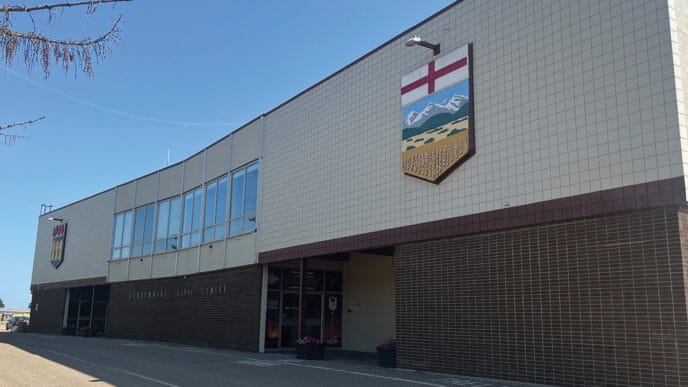


Residents in Recovery hosted a powerful event called Criminals to Contributors at the Legacy Centre in Lloydminster as part of Recovery Week activities.
More than 100 people attended the Sept. 4 event, which focused on people who’ve turned lives of addiction, homelessness and crime into stories of strength, work and recovery.
Read more: Workplace addiction highlighted during Recovery Week
Joshua Leckie, one of the panellists, said he once felt trapped in a cycle of jail, addiction and homelessness.
“I just hit my rock bottom. I realized my life was unmanageable because of my addictions and decided to surrender and try a new way of life,” he said.
Kevin Snyder said he knew that same despair and is now a youth mentor, among other titles, in the community.
“My path in life led me to turn to substances from the despair and the hopelessness I was feeling,” he said. “It snowballed into a cycle of addiction, of crime and consequence.”
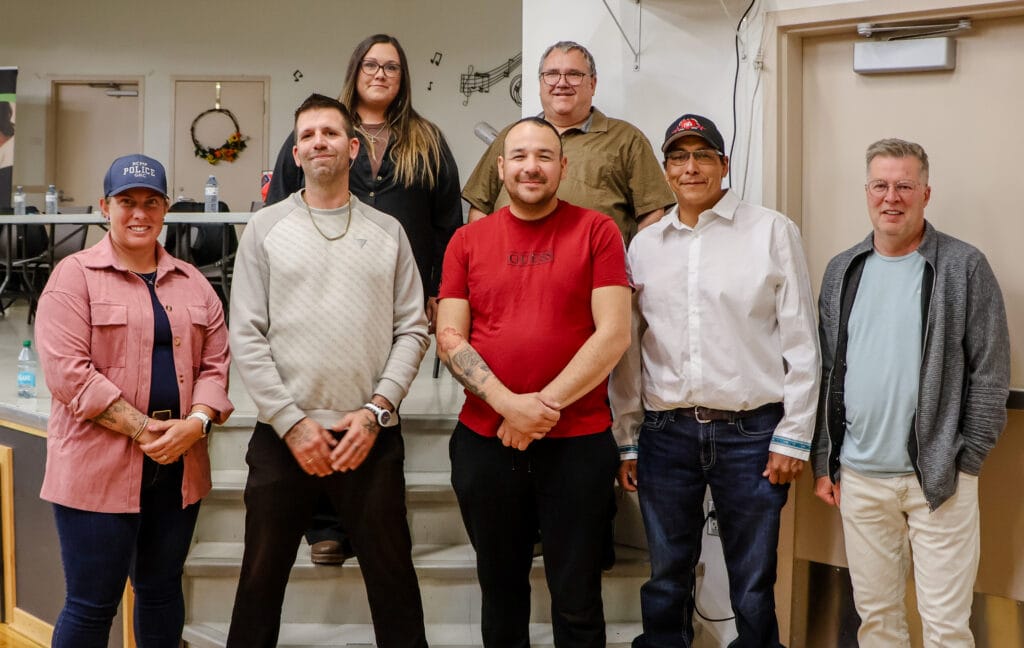
Dan Gray Meridian Source
Wanting to get help
Both men admitted they had to want to get better before they could start their journey of recovery. Snyder explained his situation in detail.
He started by paraphrasing American psychologist Carl Rogers.
“It’s hard for a therapeutic relationship to exist without an individual’s openness to change,” he said.
“No amount of external circumstances, not my brother dying, being home invaded, stabbed violently, none of those external circumstances kept me from the throes of addiction … it defied logic.”
Snyder and Leckie said choosing to surrender and ask for help was the turning point they needed.
“For me, it was just the point of having enough,” said Leckie. “Believing in a change, also meeting new people in peer support groups helped me see change is possible.”
Snyder agreed.
“It wasn’t until I completely surrendered and said, ‘You know, this is it, my life is heading towards death,’” he said. “It wasn’t a matter of if but a matter of when.”
A policing perspective
Const. Melanie Flynn shared her experience in her role as an RCMP officer.
She said she’s seen those struggling in the community firsthand and joined the Residents in Recovery board earlier this year in hopes of helping even more.
“I’m excited to be here and add the police perspective to some of the challenging questions the panel is going to hear today,” she said.
The stories on stage pushed back against stigma.
“It can affect anyone,” said Snyder, explaining addiction doesn’t discriminate. “Rewiring my brain so that it makes sense takes time and consistency. But it is possible.”
Recovery is possible
Leckie, who now works as an apprentice welder, said he once believed he could never change.
“I had wanted to be a welder since high school and I enjoy it. I’m passionate about it,” he said. “I like working with my hands and seeing finished projects that I’ve helped build.”
Snyder battled with grief after losing his brother to an opioids overdose. The same opioids he was dealing with daily.
“The hardest part in my journey over time has been grief,” he said. “My go-to is to instantly not feel those feelings. Having a support network to manage those feelings and be honest with how I’m feeling and not turn to drugs… it’s definitely a long-term process.”
Flynn’s advice for those still struggling was simple.
“Setting small, attainable goals and taking them one day at a time,” she said. “There will be good days, there will be bad days, but having the perseverance to push through the bad days is what’s really important.”
For all three voices on stage, the message was the same.
Recovery is not easy, but it is possible.
Read more: Lloydminster lays out advocacy priorities