


It has now been about a year since the Lloydminster RCMP started using body-worn cameras (BWCs), and after thousands of recordings, there are very few negatives.
Read more: Word on the beat: characters in policing
While there was a learning curve, benefits became clear right away. The main reason for implementing them was better documentation of police interactions.
The primary benefit is disclosure to courts. Previously, courts relied on verbal explanations after the fact or occasional photos. We had some video recordings, but those were limited to what our in-vehicle cameras and microphones captured, or whatever civilian recordings were available. This left out many subtleties of interactions, as well as details officers didn’t hear or observe.
In critical incidents and stressful situations, tunnel vision can occur as a physiological response. Without intent, people’s memories can be limited — applying to law enforcement personnel and civilians alike. Since it isn’t unusual for memory recall to be incomplete, BWC footage now preserves incidents from multiple viewpoints for unlimited review.
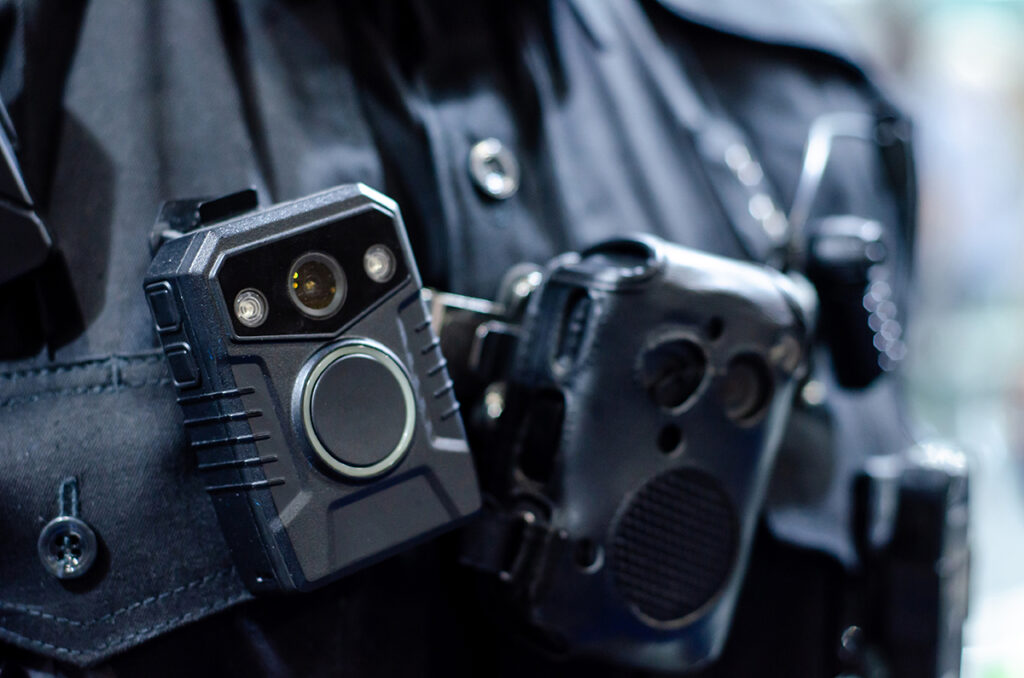
BWCs capture far more of an incident, including a first-hand look at offender and officer behaviour. Having overseen public complaints for the entire Eastern Alberta District for three years, I strongly welcomed their implementation. Beyond holding officers accountable when failing to meet RCMP standards, the cameras also vindicate those falsely accused of acting improperly.
Court is where benefits truly come to light. Judges often heard downplayed accounts of offender behaviour, but now an offender’s raw actions and words are brought directly into court. The cameras allow officers to articulate thoughts and plans in real time, recording reasoning behind decisions. In most cases, captured emotions add essential context.
One downside is the time required to redact footage — such as blurring faces of bystanders or obscuring unrelated details caught on camera.
Officers have adapted to BWCs, and results have been excellent. Courts now expect and rely on first-hand views that generate charges, benefiting from multiple video angles from all officers involved. Because trials often take place years after an incident, BWC recordings effectively bring everyone back to the moment it happened.
BWCs have not replaced officers taking notes or writing reports. Instead, they serve as a valuable additional tool that has been widely welcomed.
Staff Sgt. Jerry Nutbown is the NCO in charge of the Lloydminster RCMP detachment’s General Investigation Section. Stay tuned for future online columns from the Lloydminster RCMP.
Read more: Word on the beat: Drug overdoses