

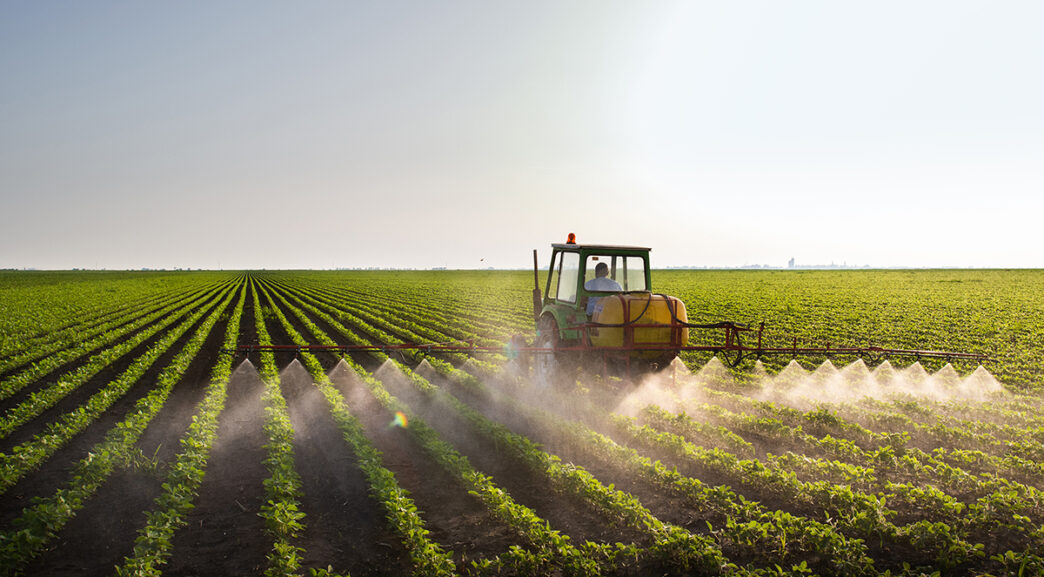
Seeding in Saskatchewan is virtually complete, but recent heavy rainfall and high winds have left fields saturated and delayed crucial in-crop spraying operations, according to the latest provincial crop report released on June 25.
Read more: Fink sets standard at nationals
The provincial government reported that 99 per cent of seeding is finished. However, excessive moisture has prevented three per cent of normally seeded acreage from being planted this spring.
Of the acres that were successfully seeded, another three per cent is currently flooded and unlikely to produce a crop.
“Over the past week, most regions in the province received significant rainfall,” the report stated, noting that while the moisture was welcome in some dry areas, it has created surplus topsoil conditions elsewhere.
The Foam Lake area recorded the highest rainfall over the weekly period ending June 22, receiving 110 millimetres. Hillsborough followed with 77 millimetres, while both Elfros and Lacadena reported 68 millimetres.
The wet conditions, combined with periodic high winds, have kept producers from getting into their fields to apply herbicides. Cool and cloudy weather has also slowed crop development across the province.
Oilseeds have been hit hardest by the lack of heat, with 45 per cent of the crop currently tracking behind normal developmental stages for this time of year.
In addition to weather challenges, producers are dealing with crop damage driven by gophers, heavy winds, flea beetles and localized hail.
The release of the report coincides with the final deadline for the Saskatchewan Crop Insurance Corporation’s (SCIC) Unseeded Acreage claims. Producers facing unseeded acres due to excess moisture must submit their claims by June 25 to avoid financial penalties. Claims submitted between June 26 and July 2 will face a 25 per cent penalty and no claims will be accepted after July 3.
Despite the field challenges, the heavy rainfall has provided a significant boost to livestock water supplies. The province estimates that 87 per cent of livestock water sources will remain adequate for the foreseeable future.
Read more: Lloydminster launches budget engagement with online survey