


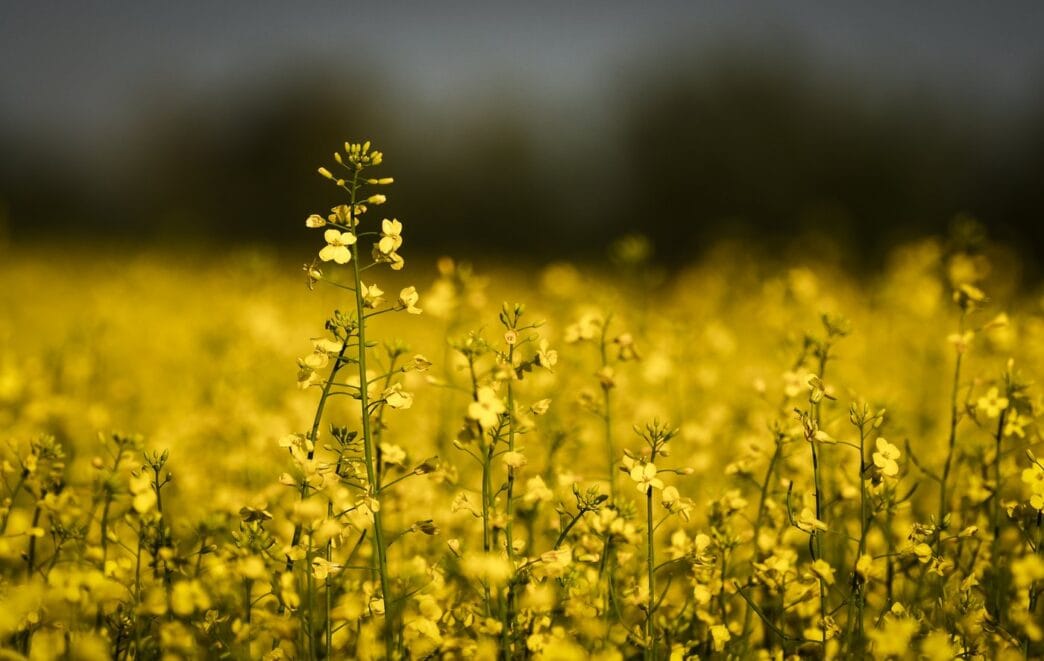
A mix of heavy rainfall and unstable weather slowed Saskatchewan farmers, leaving seeding progress slightly behind the long-term average for early June.
Read more: Brain injuries top of mind for Brain Injury Awareness Month
According to the latest provincial crop report for the period of June 2 to 8, seeding reached 93 per cent completion. While that marks a jump from 80 per cent the previous week, progress still trails the five- and 10-year averages of 97 per cent.
Massive disparities in rainfall across the province dictated progress. While some areas received no moisture at all, others were drenched. The Calder area reported a staggering 164 millimetres of rain, followed by the Rural Municipality of Fertile Belt at 118 millimetres and Langenburg at 116 millimetres.
The heavy downpours bumped up surplus cropland topsoil moisture to 13 per cent provincially, though 77 per cent of cropland is currently rated as having adequate moisture. Nine per cent remains short and one per cent is very short.
Regionally, operations are closest to the finish line in the west-central area at 98 per cent complete, followed closely by the southwest at 97 per cent, the southeast at 96 per cent and the northwest at 95 per cent. The northeast sits at 92 per cent, while the east-central region continues to lag behind at 84 per cent seeded.
Provincially, field peas are virtually all in the ground at 99 per cent complete, followed by durum wheat and lentils at 96 per cent and canola at 93 per cent. Spring wheat is also nearly wrapped up at 96 per cent. Other crops, such as triticale at 71 per cent and mustard at 75 per cent, still have a way to go.
Crop development varies widely due to environmental conditions. Producers are reporting minor damage from flea beetles and cutworms, alongside localized crop damage from wind, flooding and hail. Gophers also remain a persistent issue in all regions except the northeast.
As seeding operations wind down, Saskatchewan producers are shifting their focus to in-crop herbicide applications and pest scouting.
Read more: GALLERY: Josh Ross rocks Lloydminster’s new arena