

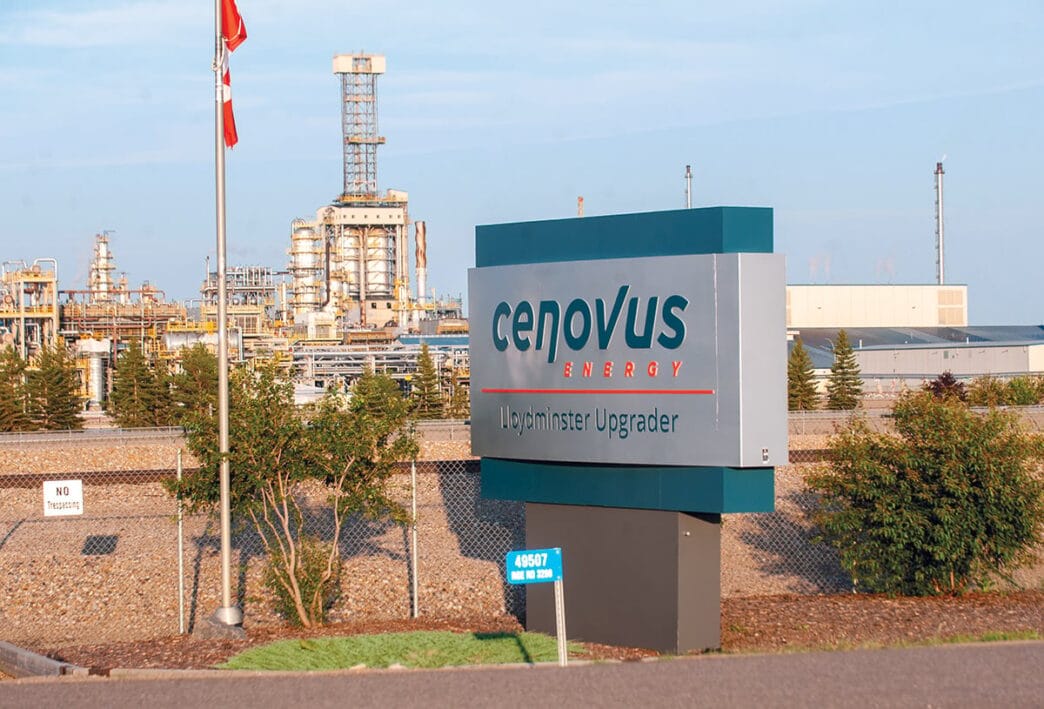
Cenovus Energy will shut down its Lloydminster ethanol plant on Dec. 15, ending a facility that has purchased roughly 350,000 tonnes of grain a year from Alberta and Saskatchewan farmers since it opened in 2006.
The company confirmed the closure in an emailed statement to customers earlier this year.
What Cenovus says about the shutdown
“Following an economic review of the Lloydminster Ethanol Plant, we will stop operations at the facility on Dec. 15,” Cenovus said in the statement.
Read more: Lloydminster marks Small Business Week to celebrate local entrepreneurs
The company said it is working to transition plant employees into other roles within Cenovus and that the facility will be maintained while it evaluates future uses and options. Cenovus has also notified its suppliers, customers and regulators of the decision.
The plant had capacity to produce 130 million litres of ethanol and 130,000 tonnes of dried distillers grain annually. Husky Energy originally built and operated the facility before Cenovus acquired it as part of its 2021 purchase of Husky. A similar ethanol plant Cenovus operates in Minnedosa, Man., will remain open.
Grain buyer leaving the market
For farmers across the northwest, the plant was one of the few reliable buyers for feed-grade wheat that didn’t meet milling standards, along with rye and triticale.
Vicki Dutton, who farms near Paynton, Sask., said the plant’s presence shaped cropping decisions across the region, particularly in areas where growing a top-grade wheat is difficult.
Agricultural Producers Association of Saskatchewan vice-president Jeremy Welter said he expects producers within roughly 150 kilometres of the plant to feel the loss, noting a nearby buyer willing to take feed wheat created pressure for other grain companies to match Cenovus prices.
With that competition gone, Welter said he is concerned about what farmers will be offered for off-grade grain going forward, and said it would be a loss if the facility sits idle rather than being picked up by another operator.
Local stakes for Lloydminster
The plant’s closure lands in a city still working through the financial and infrastructure questions tied to its biggest industrial neighbours. The City of Lloydminster recently revised its water agreement with Cenovus, and the company has had an ongoing civic presence in the Border City, from donating a fire truck to partnering with the city on community events.
Industrial assessment from facilities like the ethanol plant factors into the municipal tax base that has already pushed through consecutive increases, including the 3.9 per cent hike approved last fall. How the city treats the idled plant for assessment purposes, and whether Cenovus finds a buyer or new use for the site, will shape how much of an impact the closure has on that side of the ledger.
Broader pressure on Canadian ethanol
The shutdown comes amid wider strain on Canada’s ethanol sector. The industry was left out of the national Biofuel Production Incentive, and producers have said imported American ethanol is capturing growing demand because it is treated the same as Canadian product under the Clean Fuel Regulations despite being produced with a U.S. credit worth at least 30 cents per litre, Greenfield Global vice-president Andrea Kent said during an industry webinar earlier this year.
Cenovus has not said what will happen to the Lloydminster site beyond Dec. 15 or whether any of the roughly 350,000 tonnes of annual grain volume will be absorbed by other buyers in the region.
Read more: GALLERY/VIDEO: Bobcats hooky day brings noise, big score