


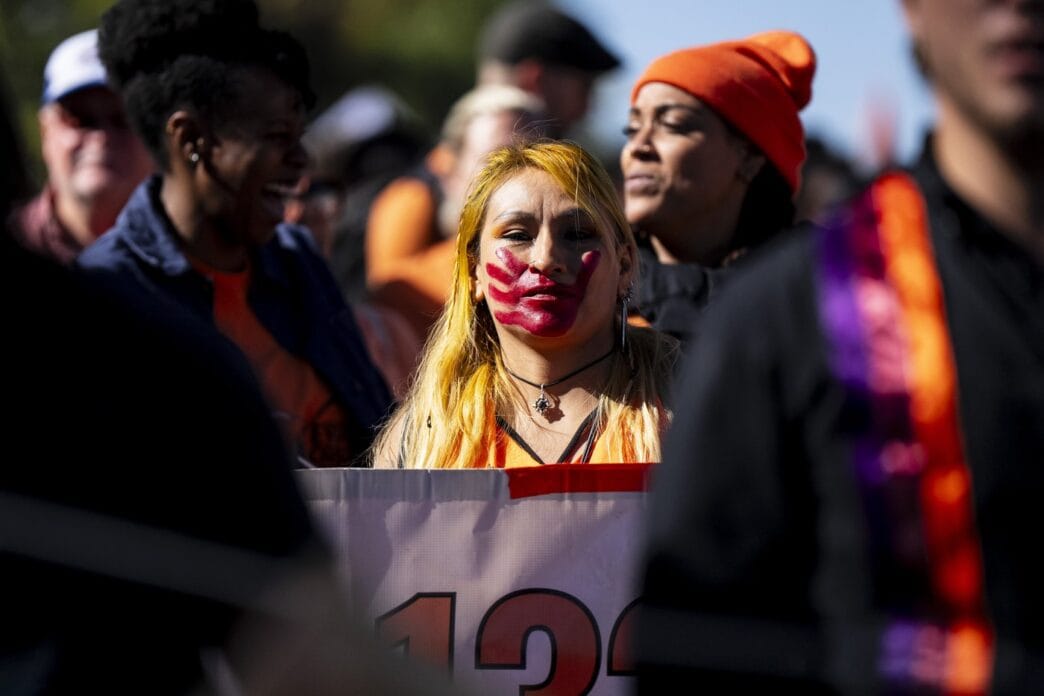
Orange shirts filled the Border City on Wednesday as residents gathered to honour Truth and Reconciliation Day, learning about the history of residential schools and reflecting on ongoing efforts toward healing.
Read more: Vendor variety drives attendance at local Health and Wellness Show
Saskatchewan formally recognized Wednesday, Sept. 30 as Truth and Reconciliation Day, flying flags at half-mast at provincial buildings from sunrise to sunset and encouraging residents to wear orange and learn more about the history of residential schools.
“Understanding the history and lasting impacts of residential schools is a responsibility we all share,” said Eric Schmalz, Saskatchewan’s minister responsible for First Nations, Métis and northern affairs.
“By listening to survivors and learning from their experiences, we can strengthen relationships with First Nation and Métis people and support continued reconciliation efforts across Saskatchewan.”
For many in the Lloydminster area, the day carries extra weight because of its proximity to Onion Lake Cree Nation.
The community just northwest of the city has long shared their stories of residential school survival with area schools and organizations. The nation has become a steady presence in local commemorations in recent years, part of a broader relationship-building effort that has included everything from a memorandum of understanding signed between Onion Lake and local governments to shared cultural events throughout the year.
Saskatchewan’s Treaty Commissioner, Dr. Kathy Walker, framed the day as inseparable from the province’s treaty relationships.
“You cannot have reconciliation before truth and the TRC was clear that Treaties are the truth of our shared history and must be the foundation of our governance on our Treaty territories,” Walker said. “Honouring the Treaties are key to building relationships based on respect, peace and mutual prosperity.”
In December 2025, the province released a 10-year report titled “Dayagen Togada Mani,” a Nakota phrase meaning “moving ahead in a good way,” outlining the actions taken across government departments to advance reconciliation since the Truth and Reconciliation Commission’s calls to action.
Residents on both sides of the border are encouraged to keep learning about the history of residential schools well beyond Sept. 30, with the Office of the Treaty Commissioner continuing its work year-round through education and public dialogue. More information is available at saskatchewan.ca.
Read more: Bobcats blitz Canucks with short-handed surge in 6-2 victory