

I haven’t used my column to talk about municipal matters in quite some time.
If you didn’t know, municipal politics and governance are passions of mine. I love the complexities of how cities and towns work.
Read more: Column: Winds keep gustin’ in Lloydminster
Today, I’d like to talk about art. It’s been a hot topic in the Border City lately, and rightfully so.
The city recently entered into an artist agreement with Paul Reimer and approved the transfer of $72,000 from the public art capital reserve to fund the project.
I may have been like some who saw the design for the tree and felt a little confused, though I do like the benches. However, I think that’s exactly what art in general — and public art specifically — is meant to do. Some folks will immediately resonate with a piece and be captivated by what they see. I’m entirely certain that once that tree goes up, it will be the talk of the town and people will go to see it in person.
Art can be polarizing, but a city without it would be incredibly drab. When I walk downtown and see all the murals, I always appreciate the life they bring to what would otherwise be plain buildings.
Another key item discussed in relation to this project was the funding. The city allocates a minimum of one per cent of the annual capital surplus to the public art reserve. That money is set aside to serve one function: art.
It cannot be used for anything else. That is the entire point of having the multitude of other reserves and funding sources the city has at its fingertips.
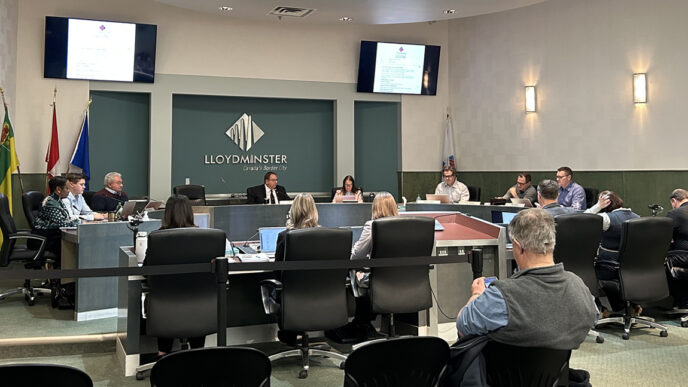
Finally, what really stuck out to me was the prevalence of Reimer’s work across the country. As noted during the council meeting, his art is featured across Canada and people travel to see it. His online portfolio shows dozens of pieces currently on display across North America. He has created some pretty cool pieces, and I implore you to check them out for yourself.
I also invite you to keep yourself up to date on local issues. Read past the headlines, contact your elected officials, and ask the questions you want answered. There are always two sides to every story, and I think that’s often overlooked.
Read more: Column: How a pioneering force came to be